
What Mold Testing Actually Reveals About Your Wilmington Home
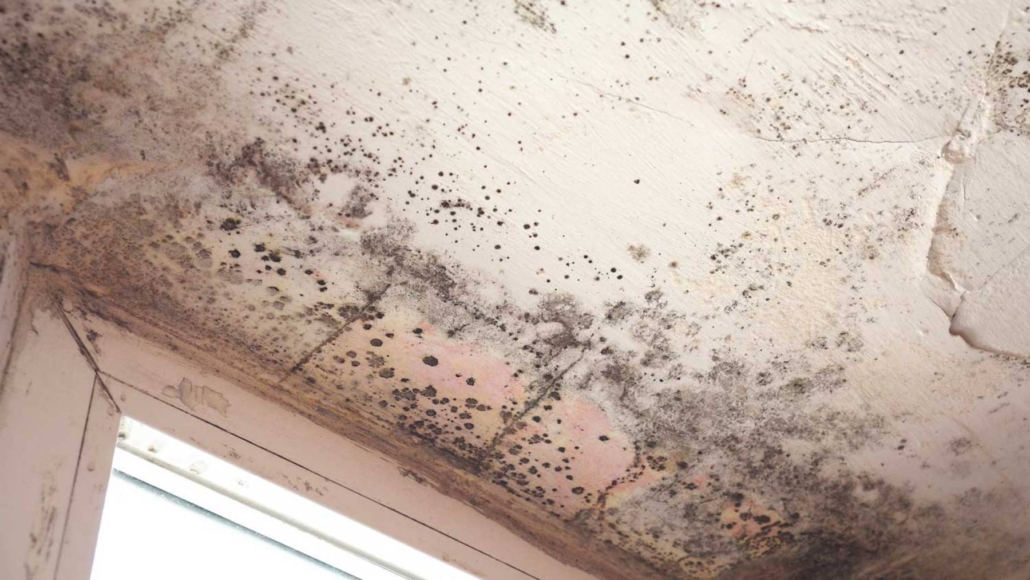
Coastal North Carolina humidity is part of the charm of living near the water, right up until it starts working against your house. This service exists because most homes already carry some level of mold spores in the air, and the real question isn’t whether spores are present but whether existing growth has become a problem worth addressing.
What Mold Testing Actually Measures
The process typically involves collecting air samples and, when appropriate, surface samples from areas of concern, then having them analyzed in a lab to identify species and concentration. The results are compared against outdoor baseline samples taken at the same time, which helps determine whether indoor levels are elevated relative to what is naturally present outside. This comparison is what turns a simple air sample into meaningful data a homeowner or buyer can actually use.
Why Coastal Humidity Makes This Especially Relevant
Homes throughout Wilmington, Pender County, and the Grand Strand deal with humidity levels that inland properties rarely see. Crawl spaces, attics, and even interior closets can hold moisture long enough for mold colonies to establish themselves out of sight. According to the EPA’s guide on mold and moisture, controlling moisture is the single most effective way to prevent mold growth, which is exactly why humid coastal properties see more of this issue than drier regions.
What This Testing Can and Cannot Tell You
The results identify whether elevated levels are present and often which species are involved, but they do not replace a full moisture investigation. If elevated levels are found, the next step is usually locating the moisture source, whether that is a crawl space vapor barrier that has failed, a roof leak, or condensation around HVAC components. Addressing the mold without correcting the underlying moisture problem typically results in the same growth returning within months.
Who Should Consider This Service
Buyers purchasing an older coastal home, especially one with a musty smell in the crawl space or a history of water intrusion, are strong candidates for this service before closing. Current homeowners who have noticed allergy symptoms that improve when away from the house, visible discoloration on walls or ceilings, or a persistent damp odor should also consider testing rather than guessing. Sellers occasionally request testing proactively, since a clean report can prevent a buyer’s inspection from derailing negotiations later.
How This Pairs With A Full Inspection
This testing works best alongside a complete Buyer’s Inspection or Home Maintenance Inspection, since a full walkthrough often identifies the moisture conditions that would explain any elevated readings. Scheduling both together also means one visit instead of two, and a single conversation covering the full picture of the property.
What To Expect From The Report
A thorough report includes lab results for each sample location, a comparison against the outdoor control sample, and a plain language explanation of what the numbers mean for your specific situation. This isn’t a pass or fail worksheet. It’s context that helps you make an informed decision about remediation, negotiation, or simply peace of mind.
If humidity, an odor, or a musty crawl space has you wondering what’s really going on beneath the surface, Schedule Your Inspection and add mold testing to the visit.
Frequently Asked Questions
How long does mold testing take? Sample collection itself usually takes under an hour, though lab analysis typically adds a few business days before results are available.
Can mold testing be done during a regular home inspection? Yes. It is commonly scheduled alongside a Buyer’s Inspection or Home Maintenance Inspection so the findings can be considered together with the rest of the property’s condition.
What happens if mold testing comes back elevated? The report will note which areas and species are involved, which helps guide next steps such as locating a moisture source or bringing in a remediation professional.
Is testing necessary if I don’t see or smell anything unusual? In humid coastal climates, mold can develop in crawl spaces, attics, or wall cavities without an obvious visual or smell indicator, which is exactly why testing provides value even when nothing seems wrong on the surface.
Southeastern Carolina Property Inspections proudly serves Wilmington and coastal North Carolina, along with South Carolina’s Grand Strand, with Mold Testing and full home inspection services.


Leave a Reply
Want to join the discussion?Feel free to contribute!