
Crawl Space Moisture: The Musty Smell She Almost Ignored
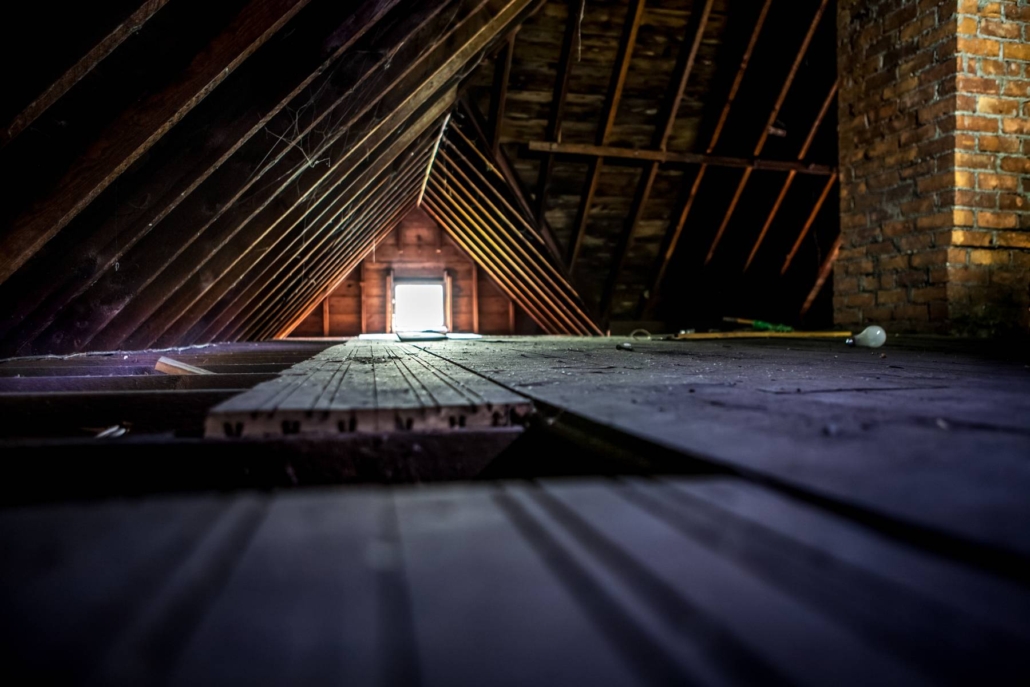
A homeowner near Wilmington called us last spring about a faint musty smell in her guest bedroom. It came and went, stronger some days than others, and she had chalked it up to the season. By the time we opened the crawl space moisture access panel, standing water sat along one edge of the foundation, the vapor barrier had torn away from the piers, and several floor joists showed visible fungal growth. What started as an easy fix months earlier had turned into a repair well north of nine thousand dollars.
Why Coastal Homes Are Especially Exposed
Wilmington and the surrounding Grand Strand sit in a humid subtropical climate where crawl space moisture builds up almost year round. Warm, humid outdoor air enters through foundation vents, meets cooler air beneath the house, and condenses on floor joists and ductwork. Add heavy seasonal rainfall and soil that drains slowly, and this kind of moisture buildup becomes less of a possibility and more of an expectation for older, vented homes in this region.
How A Small Problem Became A Big One
In this case, the musty smell was the earliest sign that crawl space moisture had already been active for some time, quietly working against the home’s structure well before anyone noticed. Because the vapor barrier had been installed years earlier without full wall coverage, ground moisture continued rising into the air space even though a barrier technically existed. By the time visible mold appeared on the joists, that moisture had been feeding fungal growth for months, quietly weakening structural wood that would eventually need sistering and replacement.
What A Home Inspection Actually Catches
During a Buyer’s Inspection or Home Maintenance Inspection, our team enters the crawl space directly rather than relying on a quick look from the access hatch. We check vapor barrier condition, standing water, vent placement, insulation condition, and any visible wood damage tied to crawl space moisture. According to ENERGY STAR’s guidance on basement and crawlspace sealing, a continuous, properly sealed ground cover is one of the most effective ways to control the moisture that leads to exactly this kind of damage.
Prevention Is Far Cheaper Than Repair
Most crawl space moisture problems in this region are manageable when caught early, provided the underlying cause is addressed rather than masked. A vapor barrier that fully covers the soil and extends up the foundation walls, combined with proper drainage and grading around the home, keeps humidity from accumulating in the first place. Homeowners who have their crawl space checked annually, particularly heading into the humid summer months, catch small tears and gaps long before they become structural repairs.
What We Recommend For Every Coastal Homeowner
If your home has a vented crawl space and you have never had it inspected directly for crawl space moisture, don’t wait for a smell to notice. A yearly check gives you a record to compare against and catches small issues while they are still inexpensive. For homes already showing signs, an inspection provides an objective, written assessment you can bring to a contractor or remediation specialist with confidence.
Don’t let a faint smell become someone else’s nine thousand dollar story. Schedule Your Inspection and get a clear look at what’s happening beneath your coastal Carolina home.
Frequently Asked Questions
How do I know if my crawl space has a moisture problem? A musty odor in the rooms above, visible condensation on ductwork, or a vapor barrier that looks torn or incomplete are all signs worth having checked by a professional.
Can crawl space moisture really damage the rest of the house? Yes. Persistent humidity beneath a home can lead to wood rot, warped flooring, and mold that eventually affects indoor air quality throughout the living space above.
How often should a crawl space be inspected? An annual check is reasonable for most homes in this region, with more frequent attention recommended for older homes or those with a history of moisture issues.
Does a standard home inspection include entering the crawl space? Yes, when access allows. Our inspections include a direct crawl space entry rather than a visual check from the hatch alone, since that is often the only way to catch developing problems early.
Southeastern Carolina Property Inspections proudly serves Wilmington and coastal North Carolina, along with South Carolina’s Grand Strand, with thorough Buyer’s Inspections and Home Maintenance Inspections.


Leave a Reply
Want to join the discussion?Feel free to contribute!